Book Review: Historical Fiction Novel Poinsettia Girl by Jennifer Wizbowski

Who was Agata della Pietà? Visual Guide to Poinsettia Girl by Jennifer Wizbowski
Agata della Pietà was not only a character in Poinsettia Girl, but a real young woman shaped by the quiet, disciplined world of the Venetian Pietà. These images explore that world—its silence, its pressure, and the music that endured.
A quiet Venetian story of music, discipline, and finding a voice.
Inspired by the real Agata de la Pieta, the novel follows a shy girl at the Ospedale della Pieta as she grows into her gifts amid competition, hierarchy, and artistic awakening.
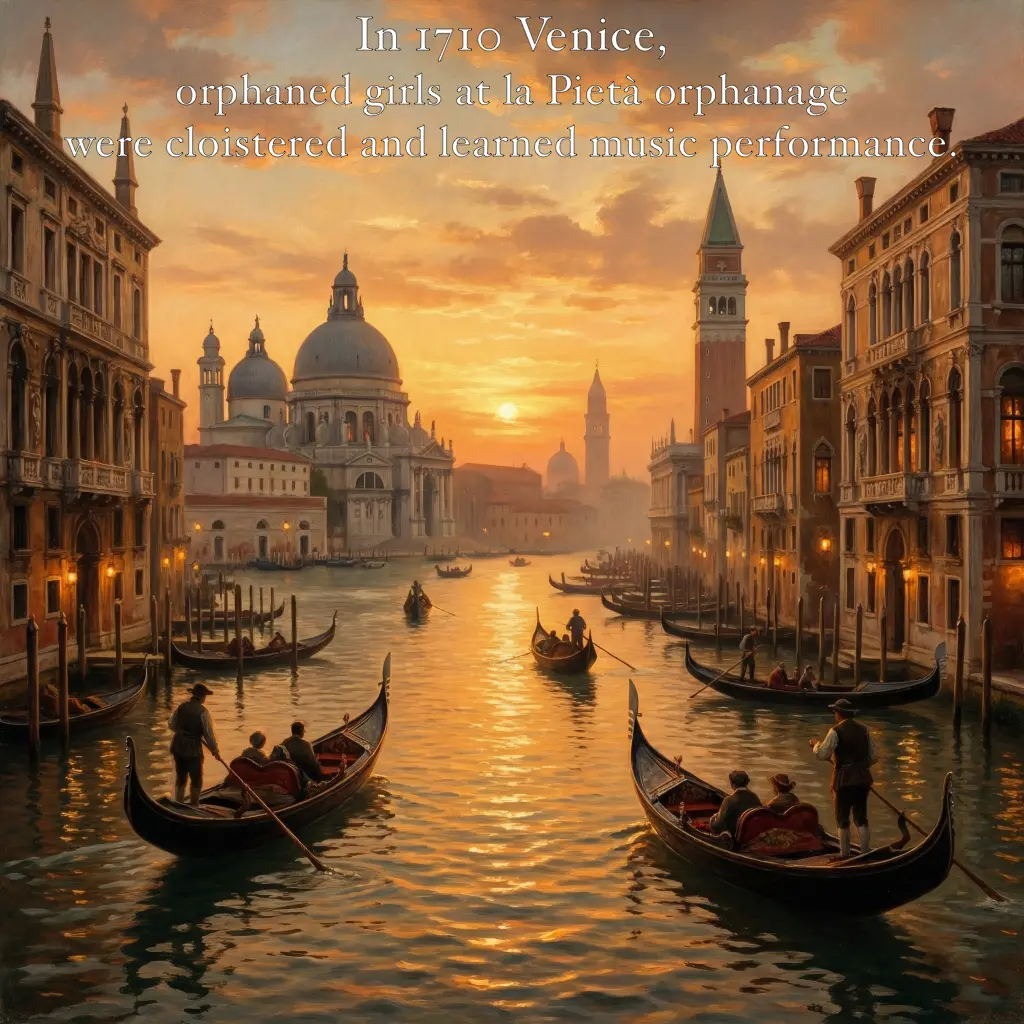
Venice at sunset along the Grand Canal with gondolas and domed churches, evoking the atmospheric setting of early 18th-century Venice in historical fiction.
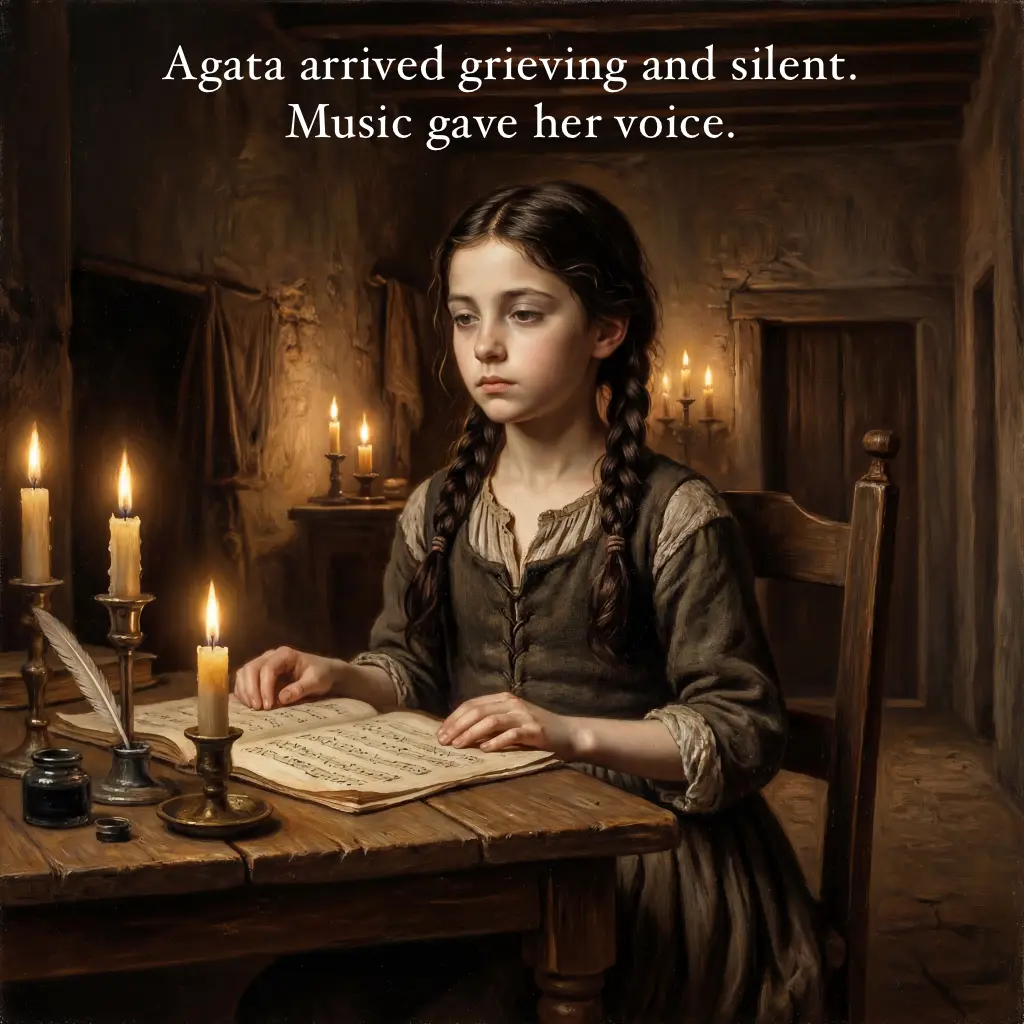
A young girl studies handwritten sheet music by candlelight in a quiet convent room, capturing the emotional and musical world of Agata della Pietà in historical fiction.
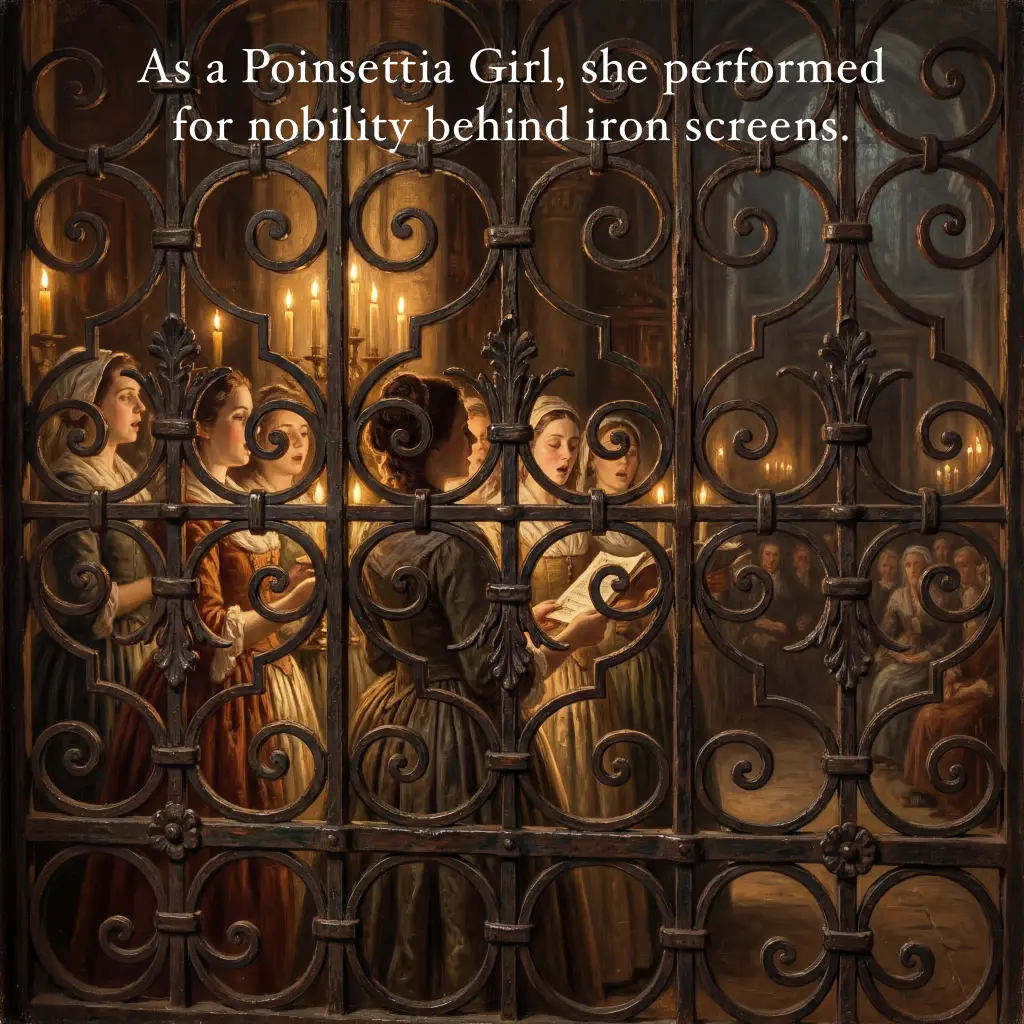
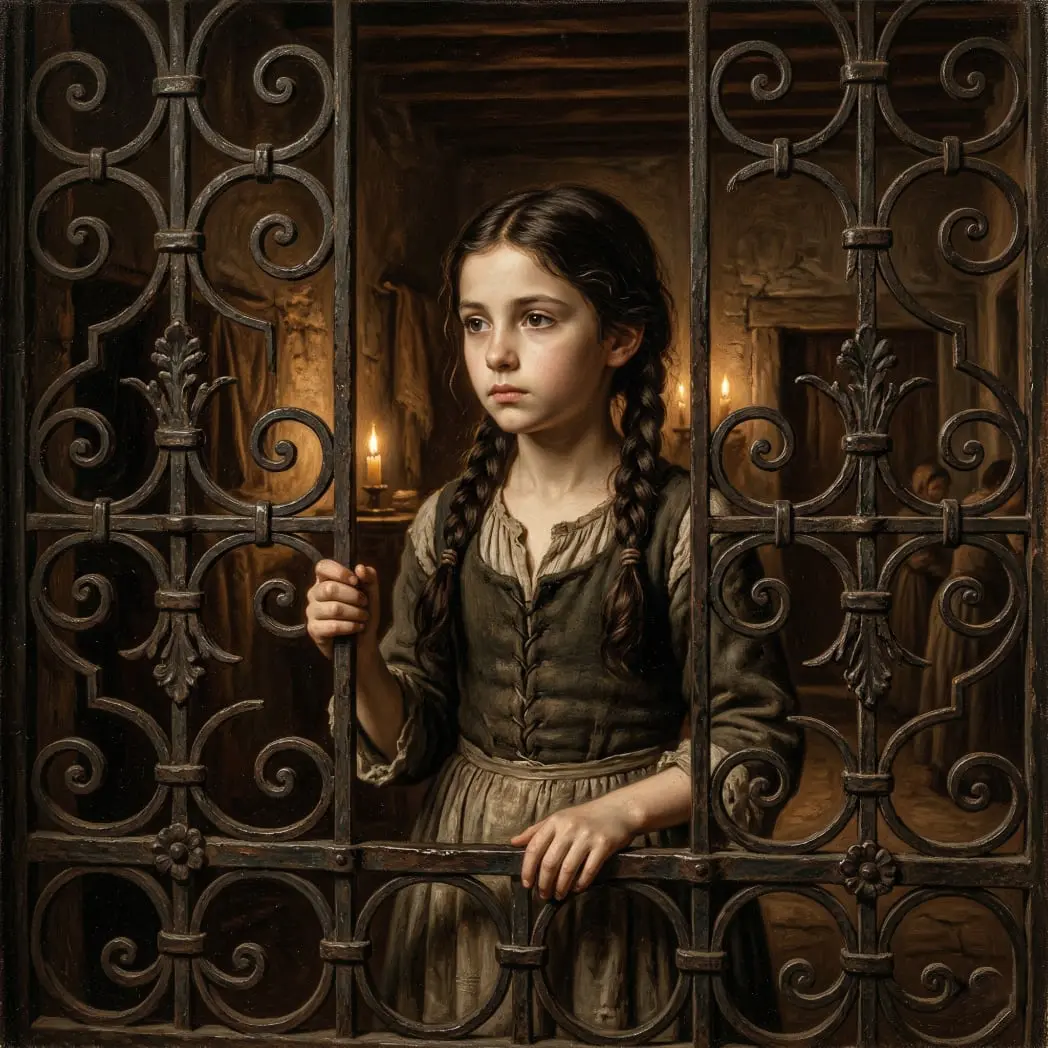
Female singers perform behind an ornate metal screen in a candlelit church, representing the hidden performances of the Pietà choir in historical fiction set in Venice.
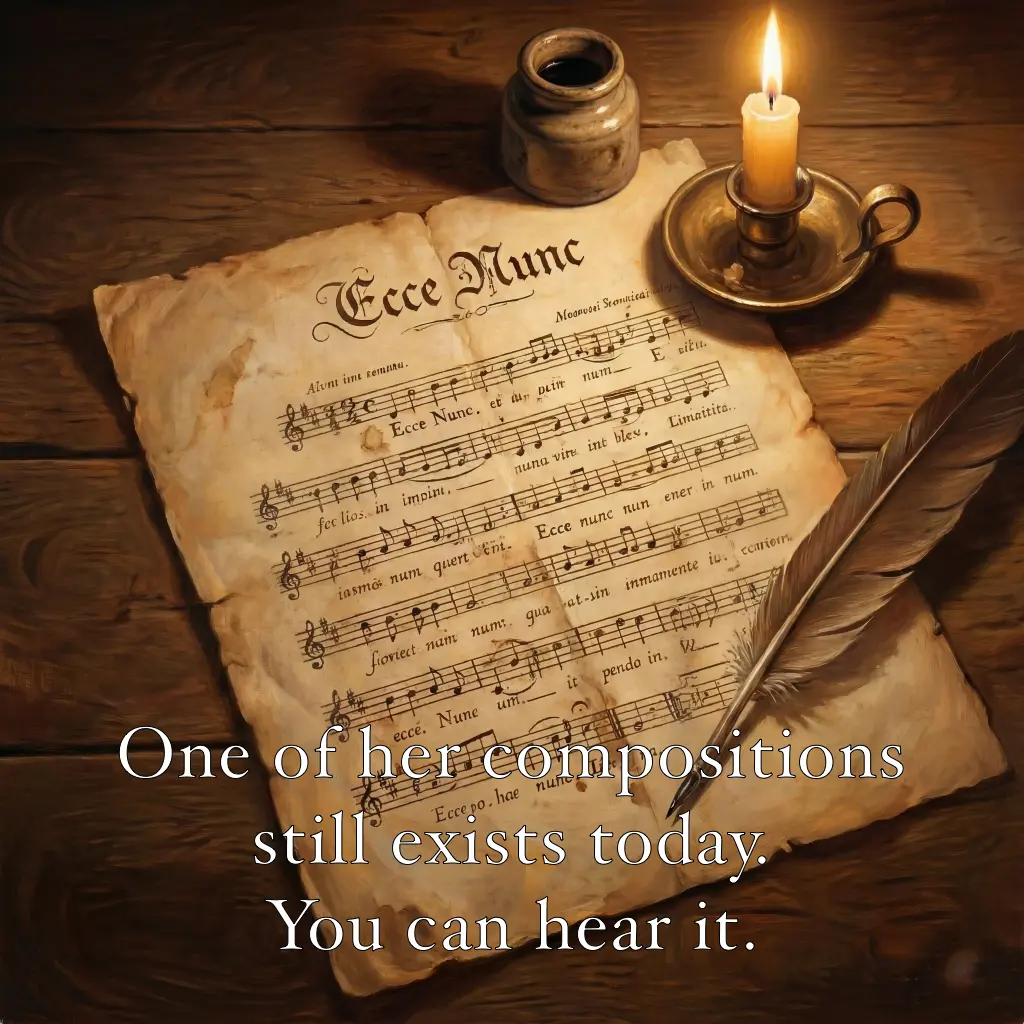
A close view of baroque musical notation on aged parchment, reflecting the surviving compositions of Agata della Pietà and their role in historical fiction storytelling.
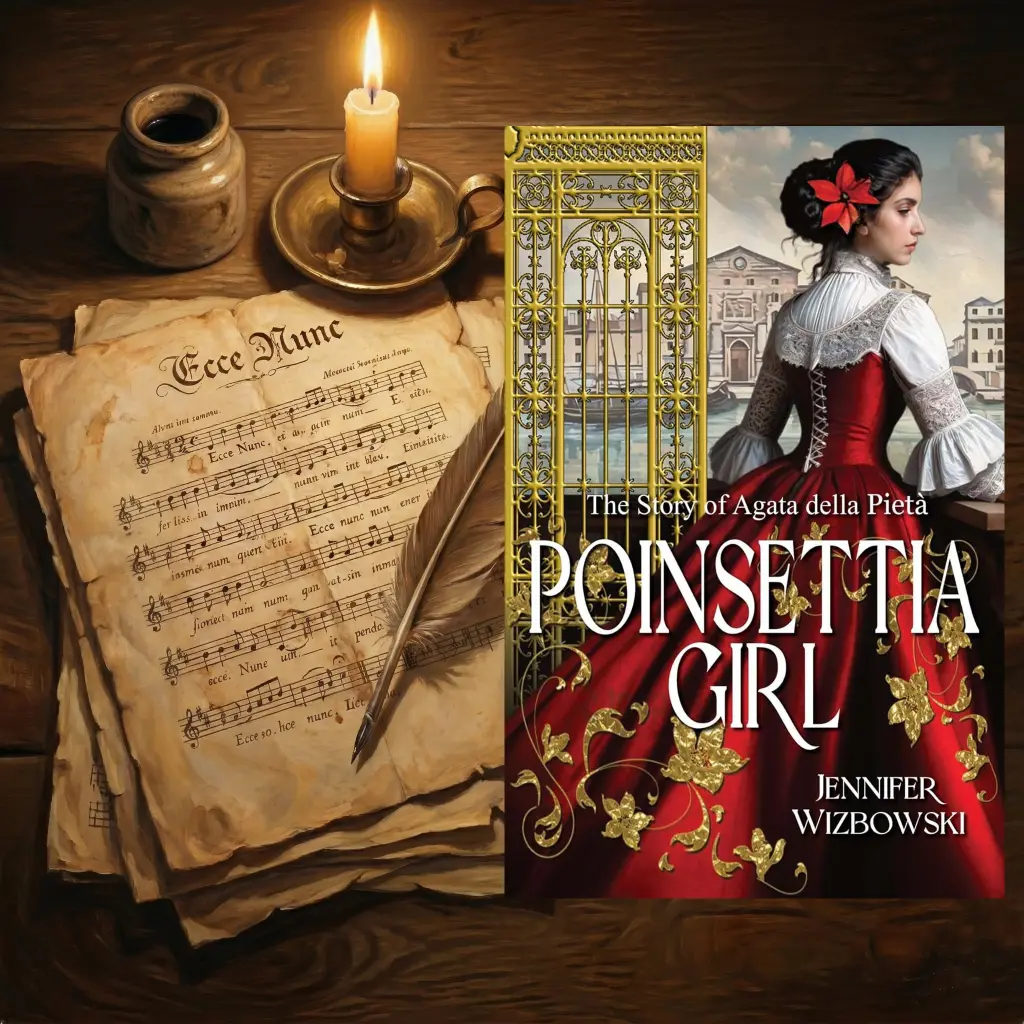
A still life of musical manuscripts, quill, and candlelit desk with space for a book cover, symbolizing the enduring legacy of Agata della Pietà in historical fiction.
Slide 1 of 6
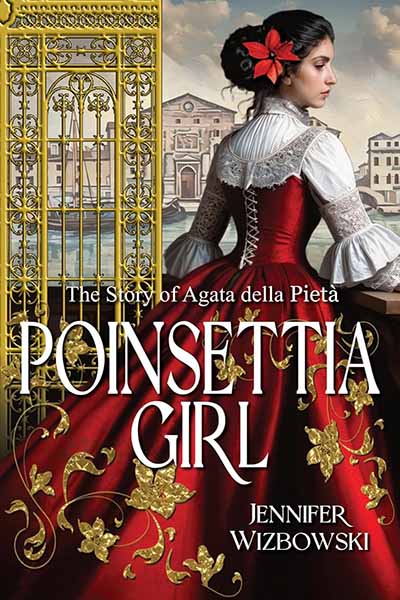
The historical fiction novel Poinsettia Girl by Jennifer Wizbowski is a quiet story based on the real-life singer and composer Agata de la Pietà. In 1710, Kamilia Farusi—the mother of 10-year-old Agata—has died. Her father, Pietro, is lost in grief, disappearing for days at a time. Wizbowski reveals the family’s background in pieces, helping us understand some of the reasons behind her father’s unpredictable moods and abusive behavior. It falls to Agata’s grandmother to provide her with a home and shield her from her father’s instability. As her grandmother’s health declines, Agata is sent to the Ospedale della Pietà—an orphanage that trains foundlings in the performing arts and other services, such as care for the sick in its hospital.
Through Agata’s eyes, we experience the daily rhythms of life in the Pietà. Agata arrives as a shy heroine who refuses to sing, believing her voice is unworthy. Over time, she learns new choral pieces and instruments. It is only when she discovers a special song that she finds her true strength and ultimately becomes a Poinsettia Girl—one of the select few who perform in public concerts for nobility and dignitaries. The song is written by none other than… The story was also a learning experience for me—even in this isolated, almost “out-of-this-world” historical setting of the nun-run orphanage, Wizbowski captures the very real and very human, almost cut-throat ambition and competition. It is an interesting commentary on human nature.
On one level, the girls compete for limited slots in the higher-level choirs—and for the rare opportunity to become a Poinsettia Girl, awarded only to the best of the best. On another, Wizbowski describes a political power struggle between the orphanage’s senior administrators—the Prioress and the Vice Prioress—as they wrestle for control over the orphanage.
While I don’t usually enjoy stories with multiple points of view, I think in this case, Wizbowski adds rich story dimensions through the voices of Margarita and Elena, helping us better understand Agata’s extraordinary journey. Because I want you to experience the story firsthand, I won’t say who they are in the story, but I will say that I really enjoyed (and was rooting for!) Margarita’s actions at the end of the book.
Finally, one of the most rewarding aspects of this historical fiction novel is the chance to learn about and to listen to the real Agata de la Pietà’s music some 300 years later. The music is available in the music stores: search for Keys to Heaven (Audio Recording, Australian Chamber Choir).
I truly enjoyed Poinsettia Girl. Fans of historical fiction books will appreciate Jennifer Wizbowski’s story of Agata’s courage and quiet resilience, as would anyone who has ever struggled to find their own voice.
Further Reading
Six-Fingered Orphan’s lost masterpiece to debut in Melbourne after Centuries.
Learn More About Jennifer Wizbowski
You can learn more about Jennifer Wizbowski on her website , and Goodreads .
Did You Like This?
You might also be interested to read these: